
When Other People’s Needs Start Shaping Your Finances
When Other People’s Needs Start Shaping Your Finances
There comes a point in adult life when your money stops being just about you.
It starts including groceries for growing kids, help for a parent who needs more support, a partner between jobs, school costs, medical costs, car repairs, and the small emergencies that seem to show up at the worst possible times. Even when giving help feels natural, the financial weight of being needed can build quietly.
For many people, this stage of life brings a strange mix of love, pressure, and confusion. You want to be dependable. You want to show up. But you may also be wondering: How much can I realistically carry without putting my own future at risk?
That question does not make you selfish. It makes you responsible.
Care and financial strain can exist at the same time
Supporting other people is often framed as a simple moral choice: if someone you love needs help, you help. And often, of course, you do.
But in real life, it is rarely that simple.
Maybe you are helping an aging parent while raising children. Maybe your household depends on one income more than you expected. Maybe you are covering more than your share because you are the “reliable one.”

Maybe you are making short-term decisions to keep everything stable, without much time to think about what those choices mean five or ten years from now.
This is where financial stress tends to grow. Not because you are careless, but because responsibility can become reactive. One need leads to another. One temporary solution becomes a pattern. Over time, your finances start being shaped by urgency instead of direction.
The hidden cost of always adjusting
When other people rely on you, it is easy to focus only on what is immediately in front of you. You cover the bill. You shift money around. You delay your own contribution to savings. You tell yourself you will catch up later.
Sometimes that works for a while. But when it becomes the default, the long-term tradeoffs can get harder to ignore:
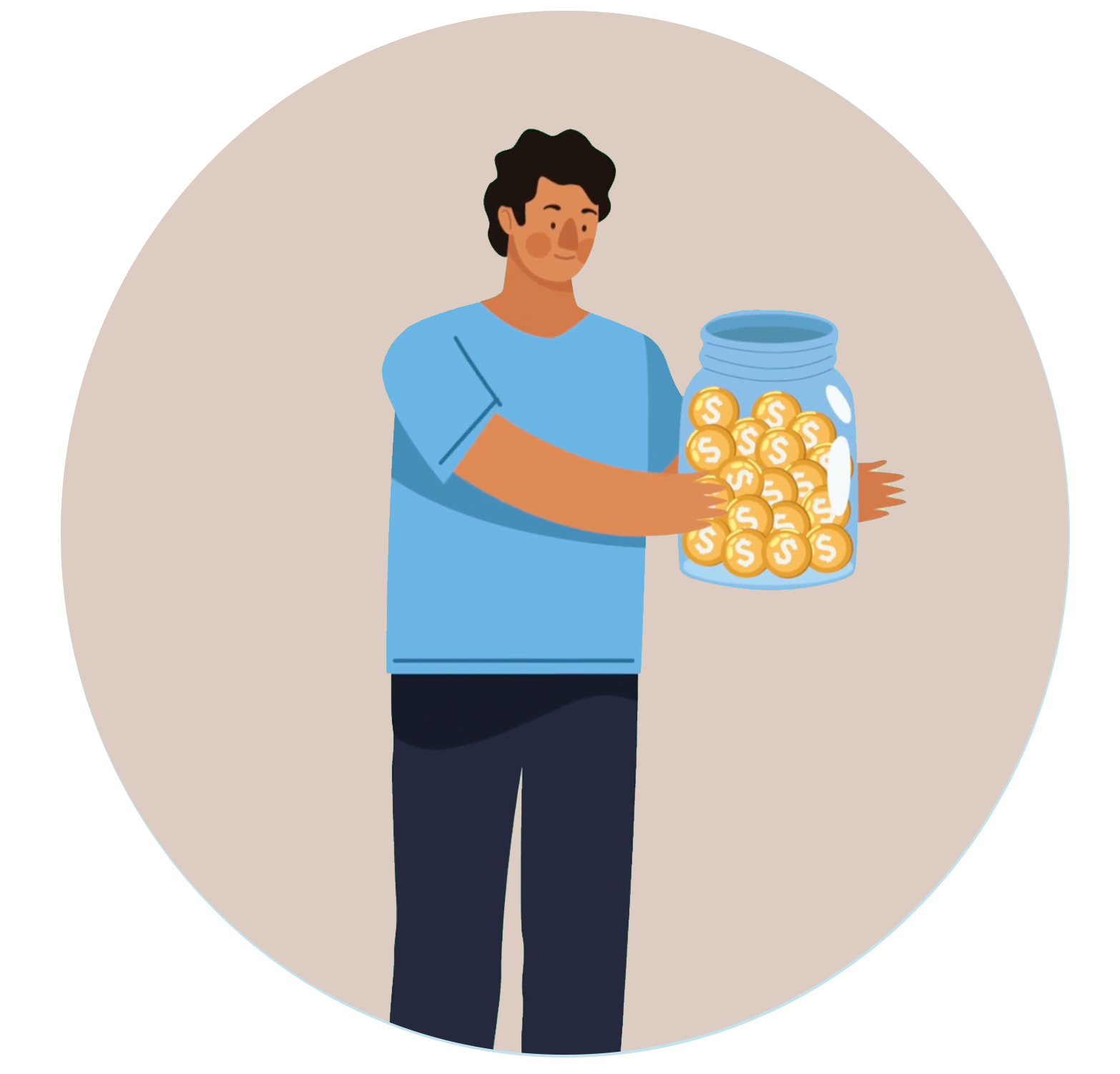
- retirement savings slow down
- emergency savings stay thin
- debt lingers longer than planned
- future goals keep getting postponed
- financial decisions start to feel heavier and less clear
The hardest part is that these patterns are often driven by good intentions. You are trying to protect the people you care about. But good intentions still need structure. Without that, support can become unsustainable.
Sustainability is part of responsibility
Many people have been taught to think of sacrifice as the highest form of care. But sustainable care is usually more helpful than endless sacrifice.

If helping others consistently leaves you depleted, behind, or anxious, that matters. Not only for you, but for the people depending on you. A plan built entirely on overextension is fragile.
Responsibility is not just about being generous in the moment. It is also about protecting your ability to keep showing up over time.
That may mean asking different questions:
- What can I help with consistently, not just emotionally?
- What is urgent, and what is ongoing?
- Where am I filling a gap that has no real boundary?
- What does helping look like without quietly derailing my own stability?
These are not easy questions. But they create something important: perspective.
Clarity helps you care better
When finances feel emotional, people often look for a yes-or-no answer: Should I help or not? But the better question is usually: What kind of help makes sense in the full picture of my life?
That shift matters.
Clarity does not remove love or generosity. It simply helps you see how today’s choices connect to tomorrow’s reality. It allows you to care for others while still protecting the future you are trying to build.

Sometimes the most responsible choice is helping directly. Sometimes it is setting a limit.
Sometimes it is offering support in a way that does not involve taking on more financial strain.
Sometimes it is saying, “I can do this much, but not more.”
That kind of honesty can feel uncomfortable. But it is often healthier than making promises your finances cannot support.
A steadier way forward
If other people’s needs have started shaping your finances, you do not need to solve everything at once. Start by getting more oriented.
Here are a few useful first steps:
1. Name what you are carrying
2. Separate short-term help from long-term responsibility
3. Look at the tradeoffs clearly
4. Decide what is sustainable
5. Revisit the plan regularly
You are allowed to include yourself in the plan
One of the most difficult parts of family financial responsibility is that your own needs can start to look optional. But they are not optional.
Your stability matters. Your future matters. Your ability to rest, save, prepare, and make thoughtful decisions matters too.
Including yourself in the plan is not a betrayal of the people you love. It is part of building a life that can hold both care and continuity.

When you can see how everything fits together, decisions become clearer. You may still face hard choices, but they stop feeling quite so scattered. You can move from reacting to each need as it appears to making decisions with more intention.