
What to Look At First When You Want to Feel More in Control of Money
What to Look At First When You Want to Feel More in Control of Money
When money feels stressful, the instinct is usually to do something.
Cut spending.
Change systems.
Set stricter rules.
Action feels productive. But when it comes before understanding, it often adds more pressure than clarity.
Control Starts With Seeing the Full Picture
Feeling “out of control” with money usually isn’t about discipline. It’s about missing context.
When you don’t know:
- where your money is actually going,
- which expenses are fixed versus flexible,
- or how today’s choices affect next month,
your brain fills in the gaps with worry.

Orientation replaces that worry with context.
Step One: Look at One Normal Month
You don’t need to audit everything. Start with one recent, ordinary month.
Not your best.
Not your worst.
Just typical.
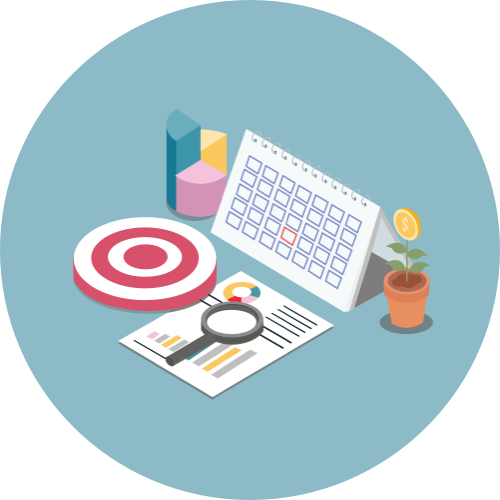
Notice:
- total income,
- recurring expenses,
- categories that change week to week.
You’re not judging. You’re learning the shape of your life.
Step Two: Separate Stable From Variable
Mentally divide expenses into:


Most pressure comes from variable costs — not because they’re wrong, but because they’re unpredictable.
Step Three: Notice Pressure Points
Pressure points are moments when stress shows up — not necessarily where you “overspend.”

They might be:
- the days before income hits,
- periods of higher workload,
- months with unusual obligations.
These aren’t failures. They’re signals.
Why Orientation Comes Before Action
When you understand what’s stable, what’s flexible, and where pressure appears, next steps often become obvious — without forcing them.
Small, well-placed adjustments work better than big changes made under stress.

The Takeaway
Feeling in control isn’t about perfection. It’s about fewer unknowns.
When you start by looking instead of fixing, confidence builds naturally.
3Nickels helps you see how your financial choices fit together — so you know exactly what makes sense to look at next.