
The Financial Choices That Matter More Than Your Salary in Your 20s
The Financial Choices That Matter More Than Your Salary in Your 20s
In your 20s, it’s easy to think the most important financial number in your life is your salary.
And to be fair, income does matter. A higher salary can create more breathing room, make saving easier, and reduce day-to-day pressure.
But salary is only one part of the picture.
What often matters more in your 20s is the set of choices you make around that income: how much of it you keep, what commitments you take on, how you handle debt, whether you build a cushion, and whether your decisions are moving you toward the life you actually want.
That’s good news, because it means your future isn’t determined by one number on a job offer.
It’s shaped by patterns. And patterns can change.
Here are some of the financial choices that often matter more than salary early in adult life.
1. Whether your lifestyle rises as fast as your income
One of the most important financial choices in your 20s is what happens after a raise.
When more money comes in, it’s natural to want life to feel a little easier. Maybe that means a nicer apartment, more eating out, a newer car, or fewer tradeoffs.

There’s nothing wrong with enjoying your money. But if every raise gets absorbed immediately, your financial stress may not change much — even if your salary does.
The people who build stability early are often not the ones earning the most. They’re the ones who let some of their income increases turn into savings, lower debt, or more flexibility.
Even a small gap between what you earn and what you spend can change your future in a meaningful way.
2. Whether you build a small emergency cushion
A modest emergency fund may not feel exciting, but it changes how life feels.
Without any cash buffer, unexpected expenses become crises. A car repair, medical bill, travel emergency, or missed shift can push you into credit card debt or leave you scrambling.

With even a small cushion, the same problem is still inconvenient — but it doesn’t have to derail you.
In your 20s, financial progress is often less about doing everything perfectly and more about becoming a little harder to knock over.
A starter emergency fund won’t solve everything. But it can reduce panic, help you avoid expensive reactions, and give you more room to make decisions calmly.
That matters more than many people realize.
3. How you handle high-interest debt
Debt affects your future differently depending on the type, cost, and pace of repayment.
In your 20s, one of the most important choices you can make is not just whether you have debt, but how you respond to it.
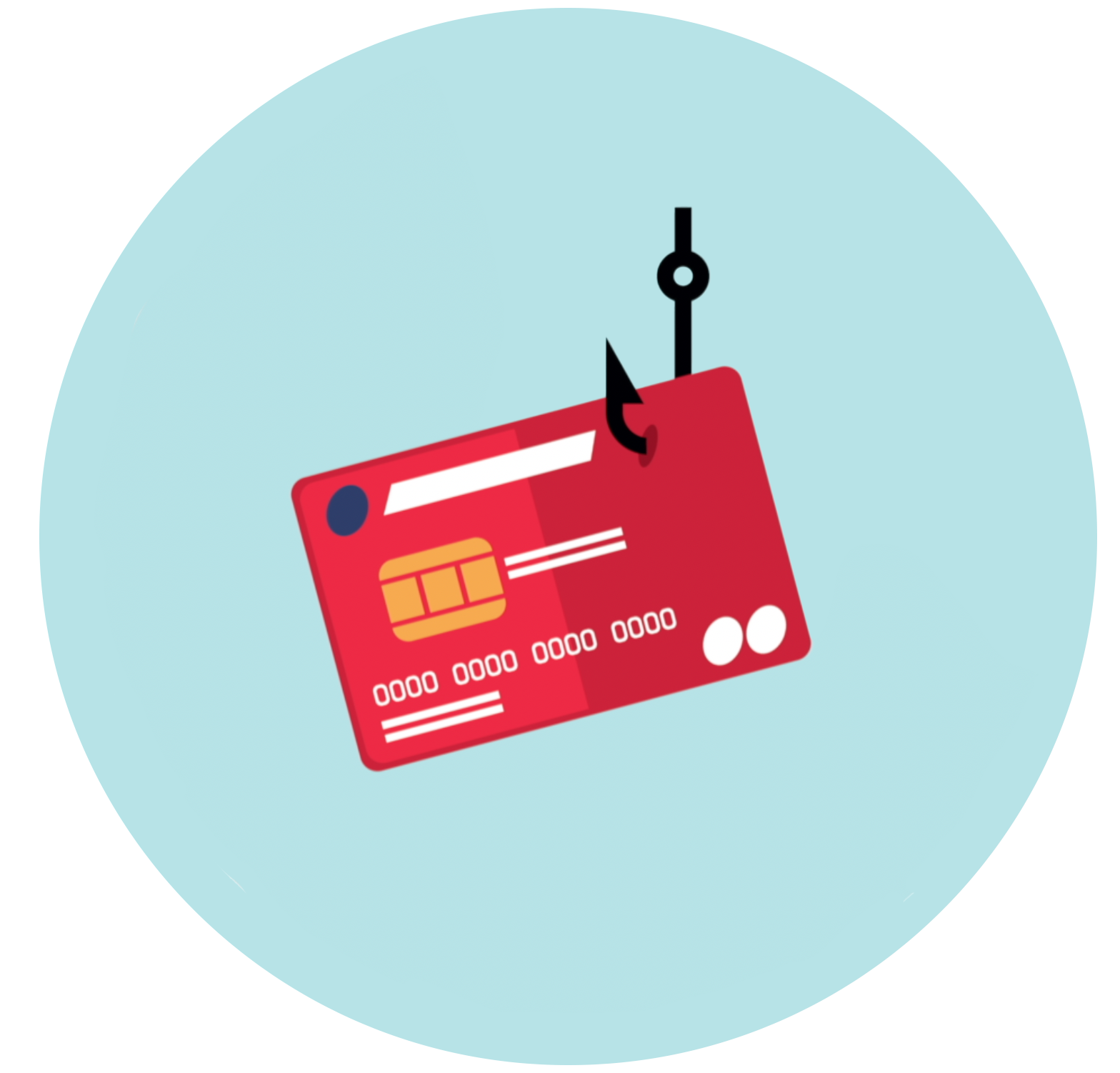
High-interest debt, especially revolving credit card debt, can quietly consume money that could otherwise go toward savings, freedom, or future opportunities. It also creates mental drag. When balances hang over you, it’s harder to feel clear and in control.
This isn’t about shame. A lot of people end up in debt because life is expensive, emergencies happen, and nobody handed them a good system.
What matters is having a plan.
A person with an average salary and a clear payoff strategy can build far more momentum than someone with a higher income and no structure.
4. Whether you use the benefits already available to you
This is one of the most overlooked financial choices in your 20s.
If your employer offers benefits that support your financial life, using them can matter more than a modest difference in salary.
That might include:
- A retirement match
- Health coverage that fits your needs
- Access to financial wellbeing tools
- HSA or FSA options
- Employee assistance resources
- Education benefits or other workplace support
Many people leave real value on the table simply because they’re busy, unsure, or overwhelmed by the options.
That’s normal.
But when you understand what’s available and how it fits your situation, you can make choices that strengthen your future without having to earn dramatically more.
5. The fixed costs you commit yourself to
Some financial decisions don’t just affect this month. They shape every month after that.
Housing, transportation, subscriptions, insurance choices, and other recurring expenses create the baseline your income has to cover before you can do anything else.
That’s why fixed costs matter so much in your 20s.
A bigger apartment, expensive car payment, or lifestyle built around high recurring costs can make even a solid salary feel tight. On the other hand, keeping fixed costs manageable creates flexibility.

It gives you more room to save, handle surprises, change jobs, relocate, or recover from setbacks.
Often, financial stability comes less from maximizing income and more from avoiding commitments that make your life too expensive to support.
6. Whether your career choices build future options
A salary is what a job pays you now.
But some career choices affect what you’ll be able to earn, learn, and choose later.
In your 20s, it can be worth asking not just, “Which job pays more today?” but also:
- Will this role help me build useful skills?
- Will it open doors later?
- Am I learning how to solve bigger problems?
- Is this sustainable enough for me to keep growing?

Sometimes the better financial choice is the one that builds long-term opportunity, even if it’s not the absolute highest paycheck in the short term.
That doesn’t mean you should accept being underpaid or ignore your immediate needs. It just means salary is not the only thing that creates financial momentum.
Your future options matter too.
7. Whether you make decisions intentionally or reactively
This may be the biggest one of all.
People often assume financial success comes from knowing everything. Usually, it starts with something simpler: pausing long enough to make a decision on purpose.
Reactive choices tend to be expensive. You put off looking at something, miss a deadline, ignore a benefit, carry a balance longer than planned, or say yes to a commitment without thinking through the long-term impact.

Intentional choices don’t have to be perfect. They just need to be clear enough that you understand what tradeoff you’re making.
In your 20s, even a basic habit of reviewing your options, thinking one step ahead, and choosing with some perspective can have a bigger effect than a salary bump on its own.
8. Whether you create a system that helps you see how everything fits together
A lot of financial stress comes from fragmentation.
You may know your paycheck, your rent, and your debt balance. But if you can’t see how your choices connect, it’s hard to know what to do next.
That’s when money starts to feel heavy. Not always because the situation is hopeless, but because it’s unclear.
Clarity changes that.
When you can see the relationship between your spending, saving, benefits, debt, goals, and timing, better decisions become easier to make. You don’t have to rely on guesswork or generic advice. You can focus on the next step that matters most for your real life.
That kind of perspective is often more valuable than earning a little more without a plan.
The bigger point
Your 20s are not a test of whether you can get everything right.
They’re a time when a few steady choices can create a completely different trajectory.
You do not need a perfect budget, a six-figure salary, or a flawless financial history to build a strong future.
What helps most is learning how to make decisions that:
- reduce unnecessary stress
- protect your flexibility
- help you recover from setbacks
- build confidence over time
- move you toward the future you actually want

Salary matters. But choices create direction.
And direction, repeated over time, is powerful.
A simple place to start
If you’re not sure where to focus first, start here:

You don’t need to fix everything at once.
You just need the next step to make sense.
3Nickels helps you see how your financial choices fit together, so you can make realistic decisions with more clarity and less stress.